Keep the sun
you already
paid for.
Without storage, most of your solar leaves for a few cents and comes home at peak rates. A correctly sized battery keeps that energy on your side of the meter — and keeps the house running when the street goes dark.
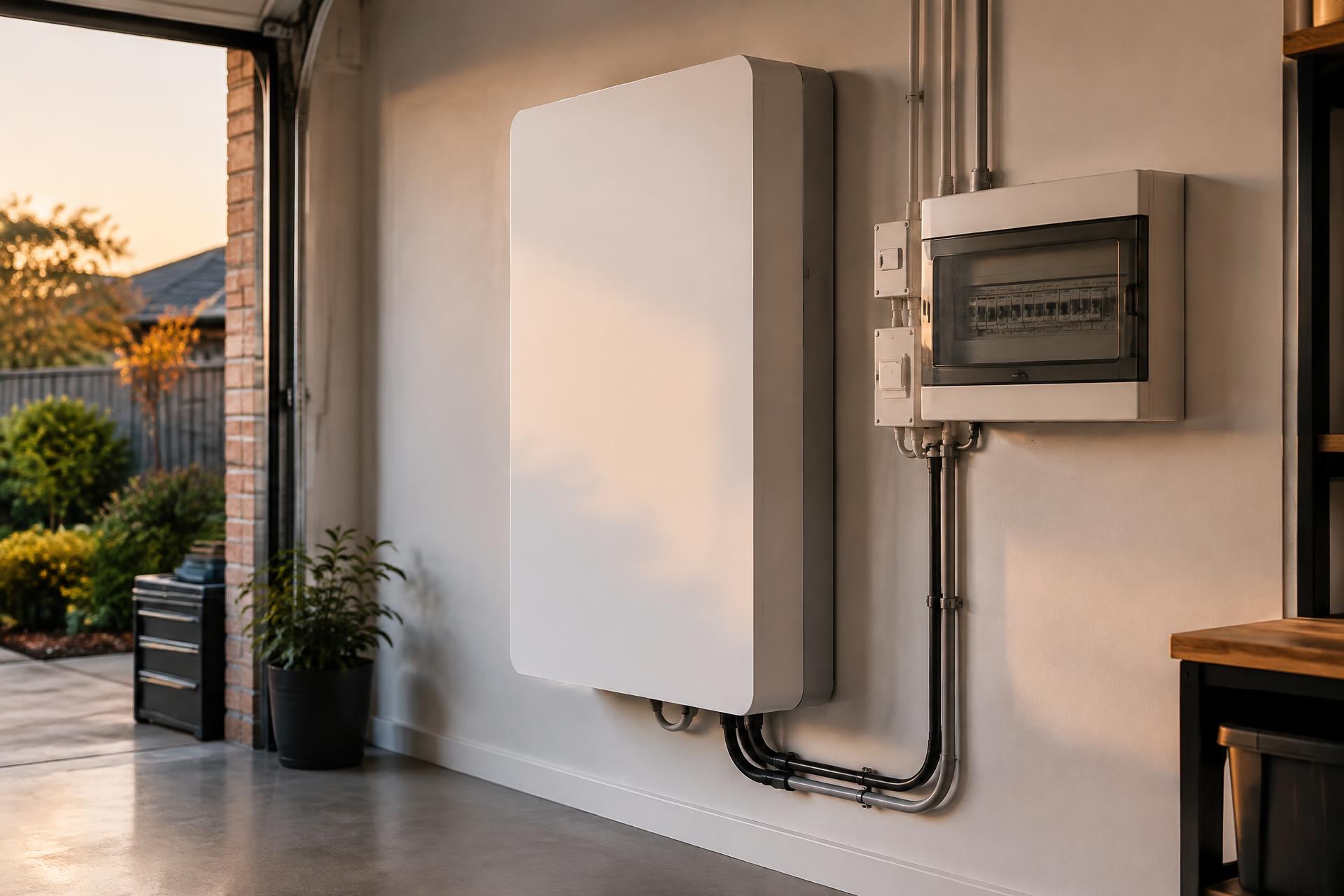
A battery's economics depend on how often it actually cycles — oversizing leaves capacity you paid for sitting unused.
We start from your interval data and your tariff, then size the pack to the energy you typically draw after sunset. Higher utilisation generally improves the economics; capacity that rarely cycles is capacity that rarely pays.
Sold by headline kWh
Bigger packs quote better. If your evening load is 9kWh, a 20kWh battery spends most of its life half-full and never earns the extra spend.
Backup as an afterthought
Plenty of installs have no gateway at all, so the battery sits full and useless during an outage — the one moment you notice it.
Left on factory settings
Without tariff-aware charge windows and a reserve policy, the pack discharges at the wrong hours and buys grid power it didn't need.
Watch the pack fill,
then carry the night.
A 13.5kWh battery on a 6.6kW array. Tap any hour to see where the house is drawing its power from.
Shaded band = solar surplus window · dashed line = backup reserve floor
Cooking and heating, still zero grid import.
The same sunlight,
worth twelve times more.
Feed-in tariffs have collapsed. Storage is now about avoiding the peak rate, not earning credits.
Sold at 3.3c, bought back at 42c
The same kilowatt hours, kept
Pick your circuits.
See how long they last.
With a backup gateway, chosen circuits switch over in under a second. Choose too many and the pack empties before morning.
Indicative only — your real runtime is modelled from your own metered loads before we set the backup circuit list.
Five parts.
No mystery brands.
Tap a component to see exactly what we specify for a Melbourne home and why it matters.
LFP chemistry — cooler, safer and built for daily cycling.
LFP chemistry — cooler, safer and built for daily cycling.
Six choices that
decide the payback.
Each one changes how often the pack cycles — and how much of your bill it actually removes.
Sized to your evening
We model the 4pm–midnight block from your meter data — the only window a battery actually earns its keep.
Half-hourly dataBackup reserve held back
A slice of capacity stays untouched so an outage never finds the pack empty at 9pm.
20% reserveCharged on surplus first
The pack fills from midday export before it ever buys energy from the grid at off-peak rates.
Solar-firstLFP over NMC
Lower thermal risk, deeper daily cycling and better retained capacity at year ten.
AS/NZS 5139VPP only if it pays
We model discharge caps and payments before recommending a program — plenty aren't worth the cycles.
OptionalTariff-aware control
Charge and discharge windows are tuned to your retailer's peak rates, not left on factory defaults.
Peak-shiftFrom meter data to
your first quiet peak.
You approve the capacity, the backup circuits and the price before anything is ordered. No install-day variations.
Interval data review
We pull twelve months of half-hourly consumption and model your evening block against your current tariff.
Sizing & fixed quote
Capacity, backup circuit list, expected annual saving and a fixed price with incentives already deducted.
Install day
Mounting, hybrid inverter, gateway wiring and a simulated outage test before we leave the site.
Commissioning & handover
Charge windows and reserve set for your tariff, monitoring configured, and a walkthrough in person.
Payback lives or dies
on how often it cycles.
An oversized pack often sits part-full. The utilisation bar shows how much of each battery a typical Melbourne evening actually uses in this illustrative example.
Illustrative examples only. Example inputs: 34c/kWh peak tariff, 6c/kWh feed-in, the daily cycling figures shown, and the federal battery incentive where eligible. Actual savings and payback vary with your tariff, usage pattern, battery settings and installation cost. Ranges assume backup gateway installation.
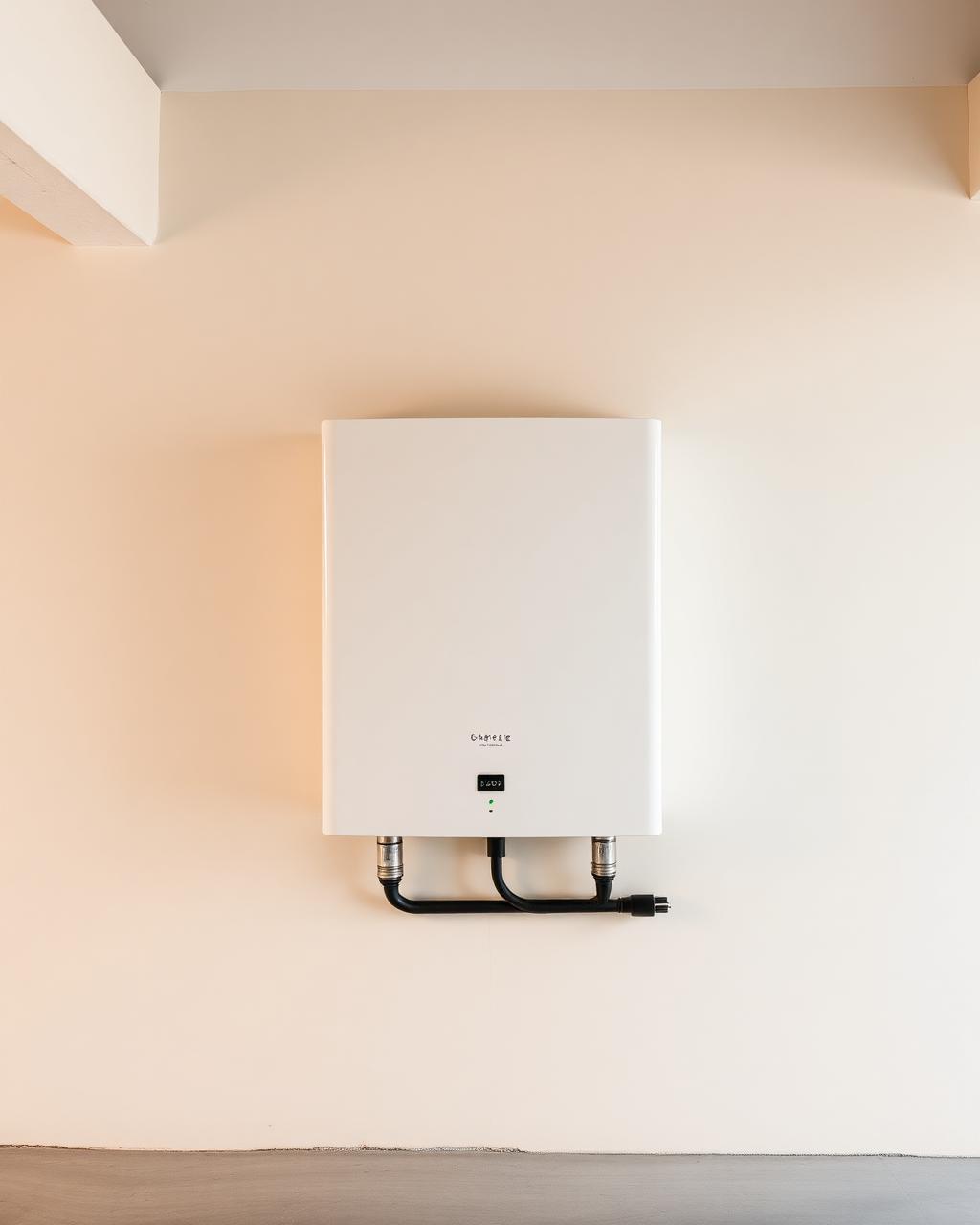 Illustrative 13.5kWh system
Backup circuits are agreed with you in writing before installation — so the pack is wired for the moments that matter, not just the everyday savings.
Storage,
answered plainly.
Most households land between 10kWh and 16kWh. The right size covers your evening and overnight load without paying for capacity that never cycles — we size it from your half-hourly meter data, not a rule of thumb.
Every part talks
to the others.
Solar, storage, charging, comfort and hot water are designed together — not bolted on one at a time.
Find out what your evenings actually cost.
A free assessment models your storage from real meter data and returns a fixed price, a backup circuit list and an honest payback figure.