Leave home
full every
morning.
Public fast charging is typically far more expensive per kilometre than charging at home. A properly installed wallbox — matched to your solar and your tariff — lets you charge on your own surplus or off-peak rates.
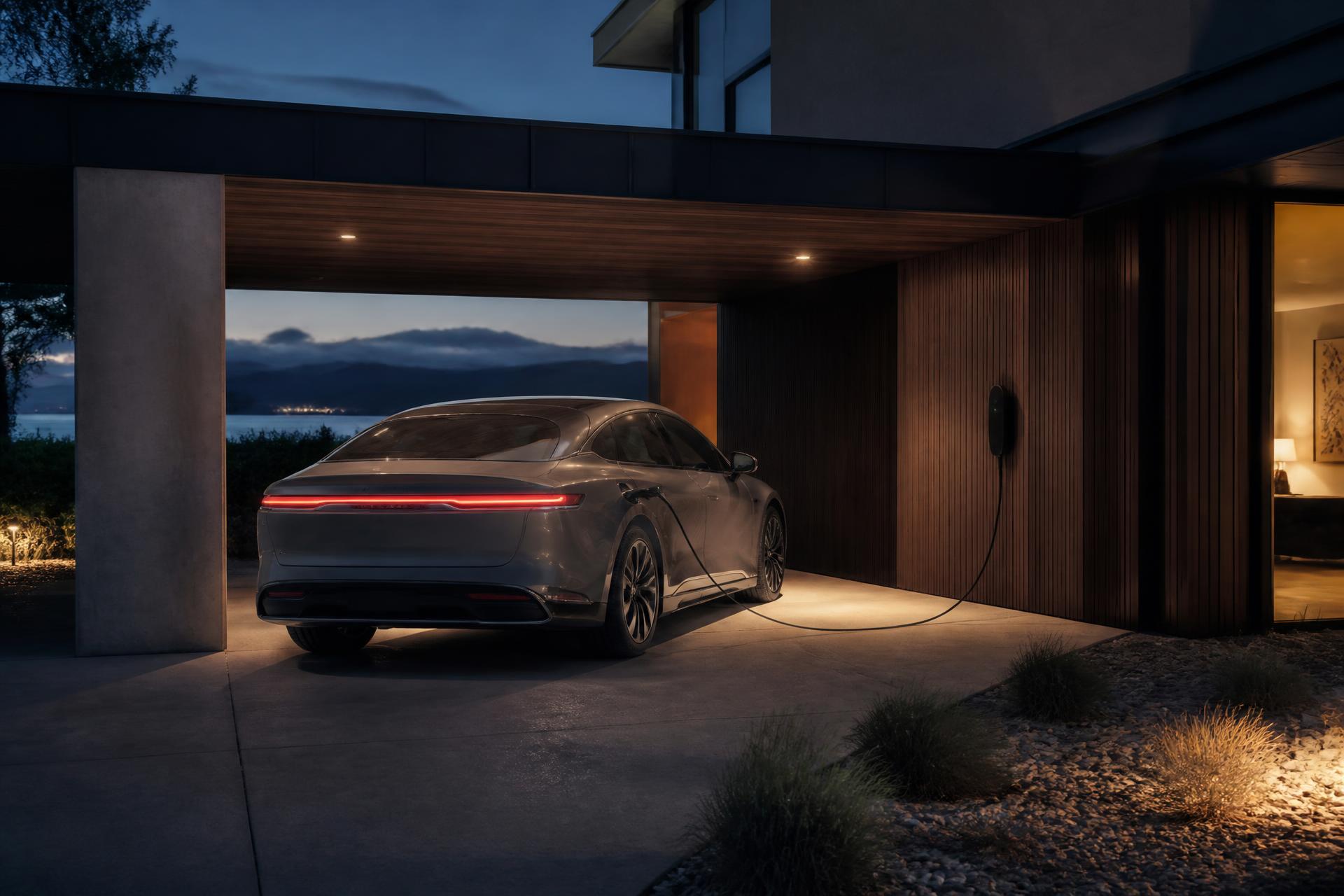
A wallbox is easy to hang on a wall. Everything behind it is where installs fail.
Most call-backs we attend come down to three things: no load management, the wrong residual current device, and a cable run nobody measured before quoting.
No load management
Charge at 32A while the oven and aircon are running and the main breaker trips. The fix is a CT clamp, not a bigger supply.
Wrong RCD fitted
EV circuits can inject DC fault current. A standard Type A device won't clear it — the install is non-compliant from day one.
Priced before the site check
Online quotes assume a 5m run and a healthy switchboard. The variation arrives on install day, when you can't say no.
Same car, same night.
Three very different mornings.
Empty to 80% on a 60kWh battery — 45kWh of energy. Watch how far each option gets before you wake up.
Shaded band = the overnight window, 9pm to 7am · track spans 24 hours
Almost nobody arrives home empty. A typical Melbourne day is 40km — about 90 minutes on a 7kW wallbox. 22kW is for two-car households, not bragging rights.
The car doesn't set
the running cost. You do.
Set your weekly driving and see what each charging habit costs you over a year.
Based on 15kWh per 100km and current Victorian rates. Payback assumes a $2,200 installed solar-matched wallbox.
Turn the house on.
Watch the charger step back.
A CT clamp on the mains lets the wallbox share what's left instead of tripping the main breaker. Switch it off and see what a cheap install does.
Indicative only — we measure your actual maximum demand at the site check before setting the charger's current budget.
Five parts.
Only one is visible.
Tap a component to see exactly what we specify — the wallbox is the easy bit.
Type 2, OCPP-compliant, chosen around your car and your site.
Type 2, OCPP-compliant, chosen around your car and your site.
Six choices behind
a charge that just works.
Each one is decided on site, before a price is issued.
Solar-matched by default
The charge rate follows your surplus so the car absorbs export instead of shipping it out at feed-in rates.
Surplus trackingDynamic load, not guesswork
The charger throttles when the house draws hard — no nuisance trips, no supply upgrade.
CT clampOff-peak windows preset
We configure your retailer's cheapest hours at commissioning so you never think about it again.
Tariff awareCorrect RCD type
EV circuits need DC fault detection. We fit Type B or Type A with 6mA DC — never a plain Type A.
AS/NZS 3001.2Route surveyed before quoting
The cable run drives the price. We photograph and measure it up front so the number doesn't move.
Fixed priceReady for the second car
Switchboard capacity and conduit are left with headroom so adding a second wallbox is a one-hour job.
Future-proofedSite check today,
charging this week.
The quote covers the cable run, switchboard work and protection devices. If we missed something, we wear it — not you.
Site & switchboard check
We photograph the board, measure the run and confirm supply capacity against your car's onboard charger.
Fixed quote
Charger model, run length, protection devices and any board work — one number, no install-day variations.
Installation
Mounting, dedicated circuit, RCD, cable run and full commissioning against AS/NZS 3001.2.
Setup & walkthrough
Solar-matching and off-peak windows configured on your app, then a live charge session with you.
The charger is the
cheap half of the job.
Most of an install price is cable, protection and switchboard work. The split bar shows where your money actually goes.
Illustrative examples only. Example inputs: ~18kWh/100km consumption, 34c/kWh peak and 11c/kWh off-peak example tariffs, compared with public AC/DC charging prices. Includes wallbox, dedicated circuit, protection devices and commissioning. Actual savings vary with your tariff, driving and charging mix.
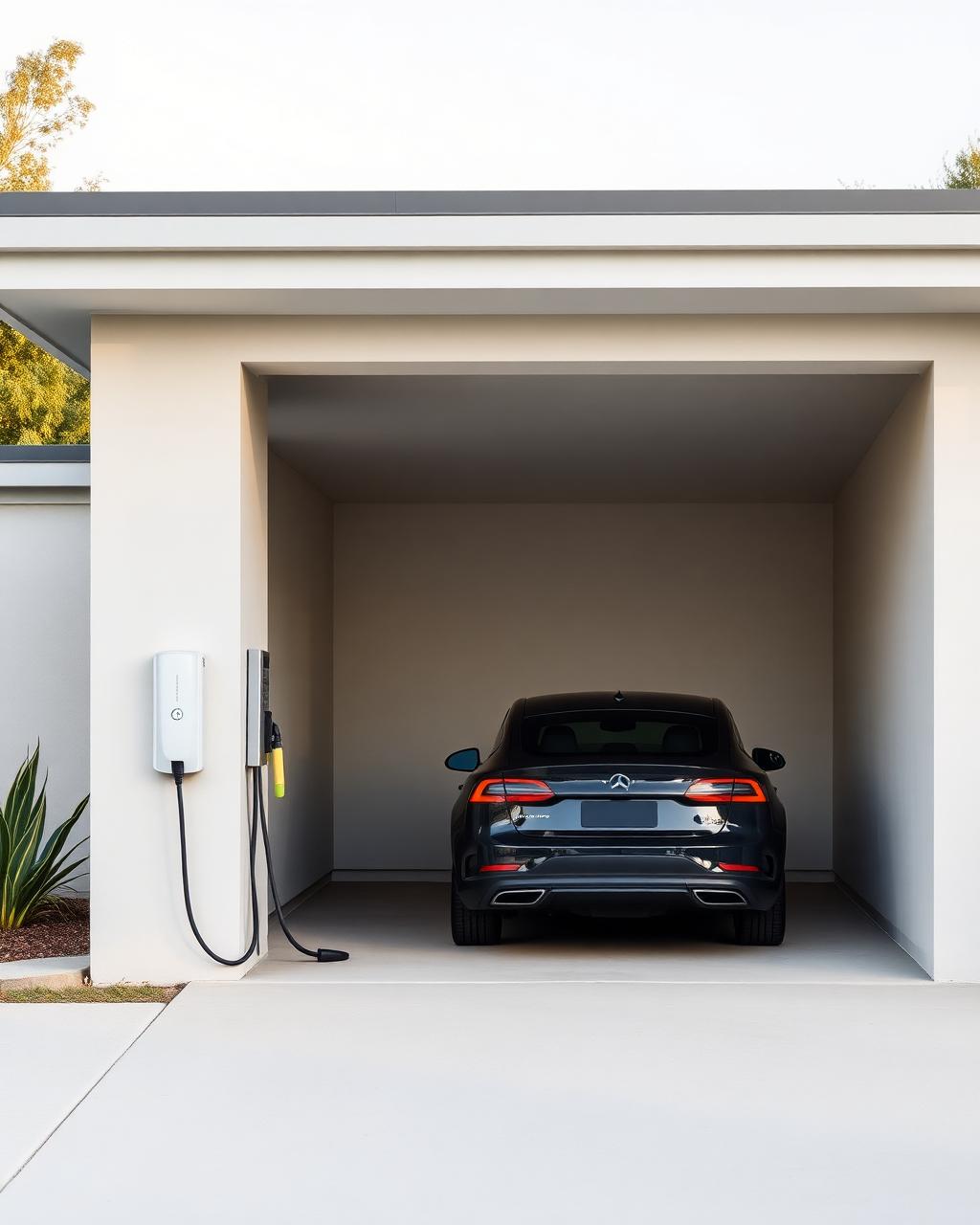 Illustrative 7kW solar-matched install
Solar-matching and off-peak windows are configured at commissioning — so the charger follows your tariff from the first session, not the factory defaults.
Charging,
answered plainly.
No. A 7kW single-phase wallbox adds roughly 40km of range per hour, which covers an overnight charge for almost every driver. Three-phase is worth it if you have two EVs or drive long distances daily.
Every part talks
to the others.
Solar, storage, charging, comfort and hot water are designed together — not bolted on one at a time.
Get a fixed price for your driveway.
A free site check covers the switchboard, the cable route and the right charger for your car — with a price that doesn't move.