Far less
energy.
Same shower.
Hot water is usually the second largest line on a Victorian energy bill. A heat pump moves warmth out of the air into your tank instead of burning gas or running an element — and does it on your midday solar.
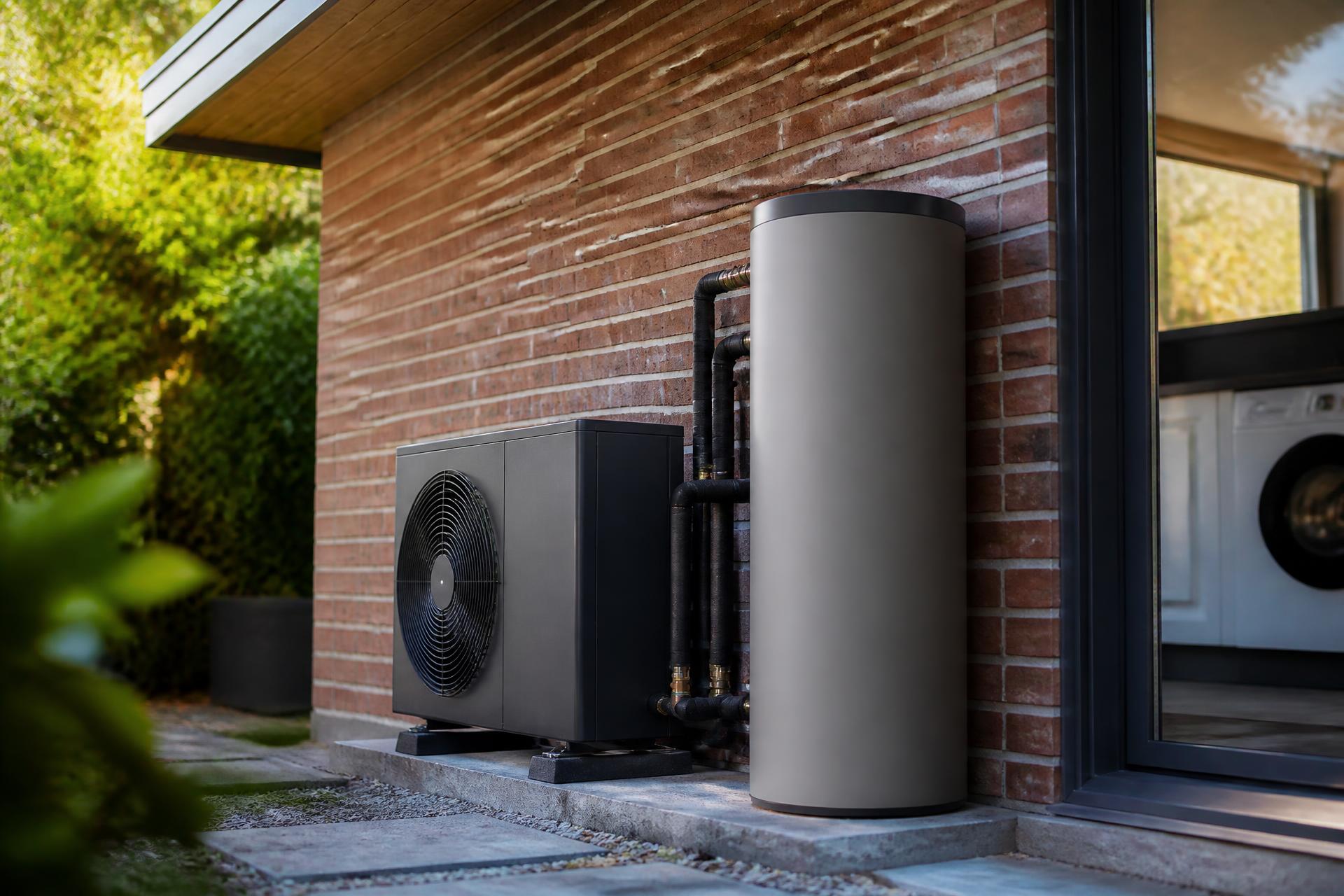
A heat pump is only cheap to run if it's sized, scheduled and sited properly.
Most disappointing installs come down to a tank that's too small, a heating cycle left on overnight, or a compressor humming outside a bedroom window.
Sized on occupancy alone
Two people with a spa bath outdraw four people with quick showers. Peak morning demand is what actually sets the tank size.
Heating on the wrong schedule
Left on factory settings the unit heats overnight at grid rates — throwing away the entire point of pairing it with solar.
Placed wherever the old tank was
The old electric tank was silent. A compressor in the same spot outside a bedroom window becomes a nightly problem.
Four showers between
seven and eight.
A 280L heat pump serving a household of four. Drag across the day to see the tank charge on midday solar, hold overnight, and take the morning peak without a booster.
Insulation is doing the work — the tank holds its heat overnight at a fraction of a degree per hour.
Sized on your morning,
not your floorplan.
Peak hour demand is what sets the tank. Set your household below and see the size we would actually quote.
This is the size we would quote for that morning. Bigger is not automatically better — an oversized tank carries more standing loss for water nobody uses.
The same hot water,
four very different bills.
Annual cost for a household of four with identical usage, at current Victorian rates. Toggle solar to see what a midday heating window does.
Indicative annual running cost · household of four · identical usage
Five parts.
One quiet result.
Tap a component to see exactly what we specify for a Melbourne changeover.
A refrigeration cycle run backwards — it moves heat, it doesn't make it.
A refrigeration cycle run backwards — it moves heat, it doesn't make it.
The old tank was silent.
This one has a compressor.
Where the unit goes decides whether you ever notice it. Choose a position to see what reaches the nearest bedroom window.
Short pipe runs, easy drainage, and the noise lands on a wet area rather than a bedroom. Usually the best compromise.
Six choices behind
a lower hot-water bill.
Every one is settled on site, before the unit is ordered.
Heated on midday surplus
The tank charges in your solar window, so the cheapest energy of the day does the work while you're out.
10am – 3pmSized on peak morning
Four showers between 7 and 8am is the real test — not the number of bedrooms on the plan.
Demand modelledBooster kept as backup
The electric element exists for cold snaps and unusual demand, not as a crutch for an undersized unit.
Rarely runsSited for quiet
Compressor noise placed away from bedroom and neighbour windows, on anti-vibration mounts.
< 48 dBValves replaced, not reused
New tempering and PTR valves every time. Reused valves are the most common cause of a lukewarm complaint.
New every jobRebates applied up front
VEU and STC discounts come off the quoted price, so the number you see is the number you pay.
Net pricingOld tank out,
new one running.
Where you're eligible, incentives are applied to your quote before you see it, and the old system is removed and recycled on the day.
Demand & site check
Household peak usage, existing plumbing, drainage and the quietest compliant location for the unit.
Net-price quote
Tank size, model and placement with VEU and STC rebates already deducted — one number, fixed.
Changeover day
Old system removed, new unit set on a level pad, tempering and PTR valves fitted, condensate drained legally.
Scheduling & certificate
Heating window set to your solar hours, sanitisation cycle scheduled, plumbing compliance certificate issued.
What it costs,
before you ask.
Indicative installed pricing after typical Victorian rebates, with the peak-morning coverage each tank actually delivers.
Illustrative examples only. Example inputs: replacing an electric storage system on a 34c/kWh tariff, heating scheduled on solar surplus. Pricing is net of VEU incentives and federal STCs only where you are eligible and assignment conditions are met, and includes removal of the old system, new tempering and PTR valves, and the plumbing compliance certificate.
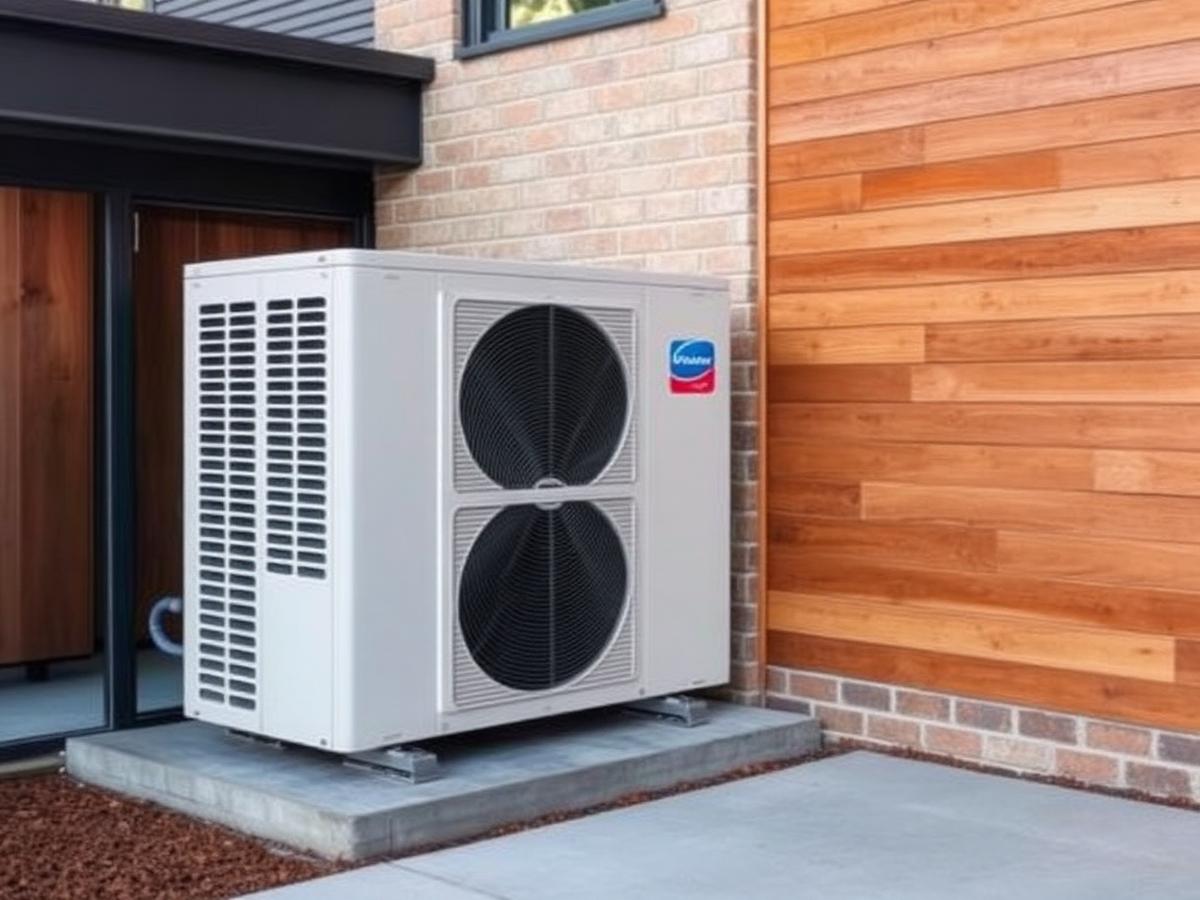 Illustrative 280L changeover
The heating window is set to your solar hours and the plumbing compliance certificate is issued on the day — before we leave.
Hot water,
answered plainly.
It runs a refrigeration cycle in reverse, pulling warmth out of the surrounding air and moving it into the tank. Because it moves heat rather than creating it, it typically uses around 60–75% less electricity than a conventional electric element, depending on conditions and sizing.
Every part talks
to the others.
Solar, storage, charging, comfort and hot water are designed together — not bolted on one at a time.
Find out what your hot water really costs.
A free site check sizes the tank on your actual morning demand and returns a net price with every rebate already deducted.